
30 Years On: How the Murder of Krishanthy Kumaraswamy Exposed the Chemmani Mass Graves
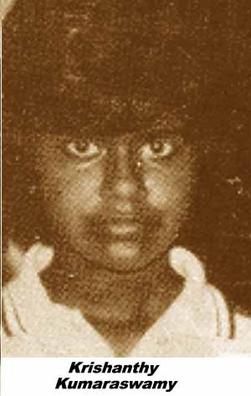
JAFFNA, SRI LANKA — September 7, 2026, marks the 30th anniversary of the abduction, gang rape, and murder of 18-year-old Tamil student Krishanthy Kumaraswamy by Sri Lankan security forces at the Kaithady military checkpoint in Jaffna. The tragedy, which also claimed the lives of three relatives who sought to locate her, remains a pivotal juncture in Sri Lanka’s judicial history — serving as the direct catalyst that exposed the mass graves of Chemmani.
On September 7, 1996, Krishanthy, an A-Level student at Chundikuli Girls’ College, was forcibly detained by Sri Lankan Army soldiers and police officers while traveling home from her examinations. She was subjected to gang rape before being murdered and buried in a ditch adjacent to the checkpoint.
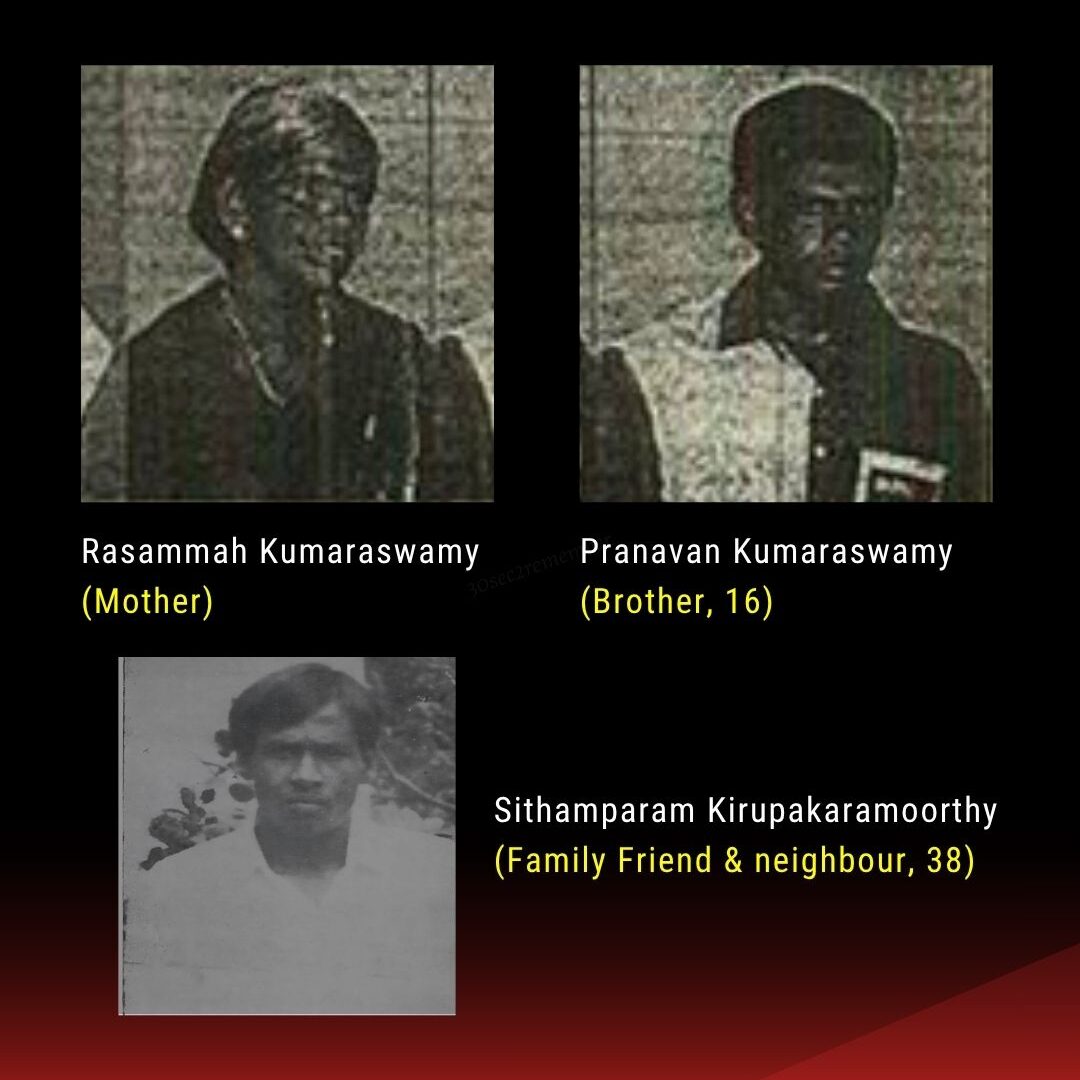
When Krishanthi failed to return, her mother, Rasammah Kumaraswamy, her 16-year-old brother, Pranavan Kumaraswamy, and a family friend, Kirupakaramoorthy (35), retraced her route to locate her. All three were subsequently detained by personnel at the same checkpoint, strangled with ropes, and buried alongside Krishanthi.
The Trial and the Confession
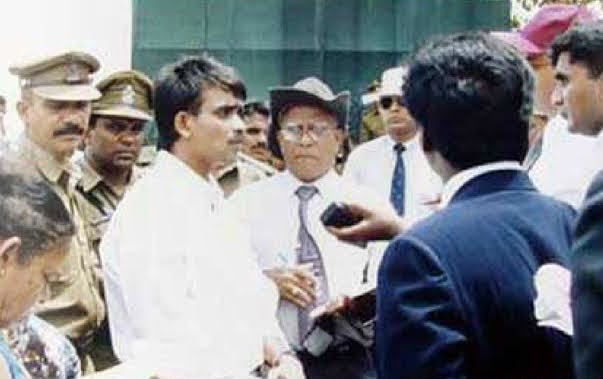
Widespread local protests and international human rights pressures compelled Sri Lankan authorities to initiate a rare investigation. In a state characterized by systemic impunity regarding enforced disappearances and sexual violence, the case became one of the few instances to yield prosecutions.
During the 1998 court proceedings, convicted soldier Corporal Somaratne Rajapakse delivered a confession that fundamentally altered the understanding of state atrocities in the North:
“Dead bodies were brought to the Ariyalai camp almost every evening and soldiers were asked to bury them,” Rajapakse testified, estimating that between 300 and 400 Tamils were buried in the shallow grounds of Chemmani.
From 1999 Investigations to 2026 Forensic Discoveries
Rajapakse’s testimony prompted UN-assisted excavations in 1999, which recovered 15 bodies—several blindfolded and bound—confirming summary execution-style killings. However, by December 1999, the Sri Lankan government abruptly halted the investigation, claiming forensic experts concluded no further mass graves existed.
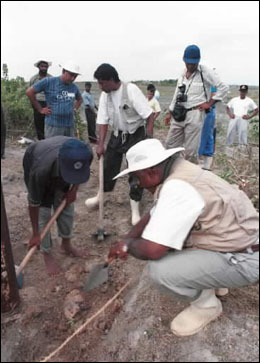
That assertion was definitively disproved decades later. In February 2025, commercial construction near the Sithupathi Hindu Cemetery in Chemmani uncovered human skeletal remains, initiating court-supervised forensic exhumations.
As Phase 3 of the excavations concluded on August 19, 2026, lead forensic teams confirmed that 583 human skeletal remains have been officially identified and exhumed across all three phases, along with 169 cataloged physical artifacts. Chemmani stands today as the largest documented mass grave site in Sri Lanka’s history.
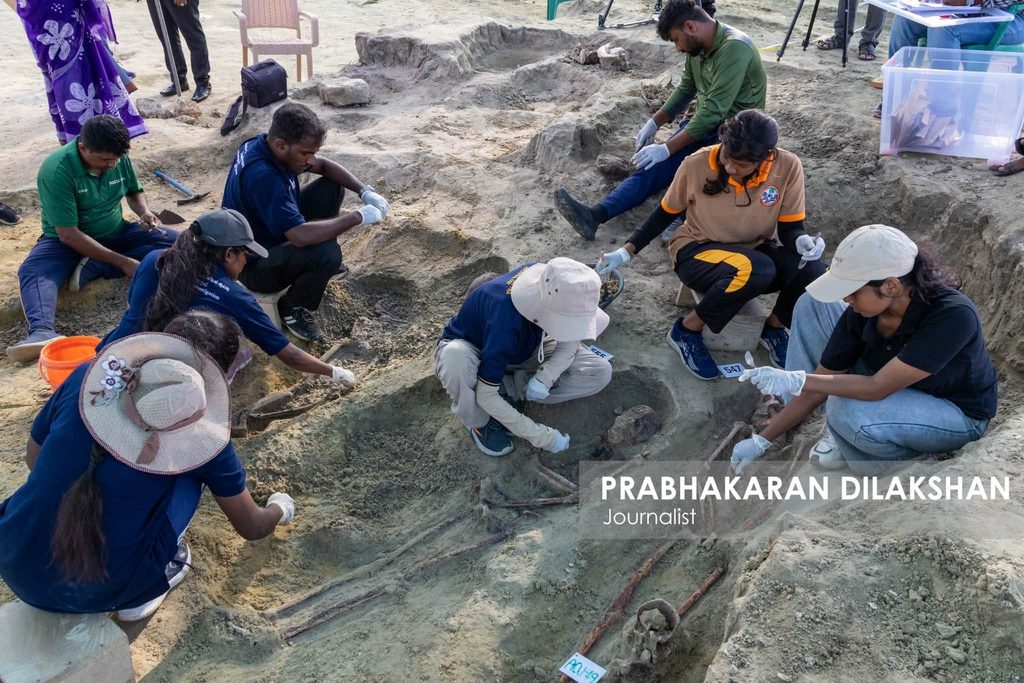
Thirty years after Krishanthy Kumaraswamy and her family were murdered, the ongoing forensic findings at Chemmani remain directly anchored to their legacy—providing undeniable physical evidence of a historical record long denied by official state narrative.
 German
 English
Comments